Fruit Fly Traps for Indoors Your Ultimate Guide to Eliminating Pesky Pests
Fruit Fly Traps for Indoors: Your Ultimate Guide to Eliminating Pesky Pests
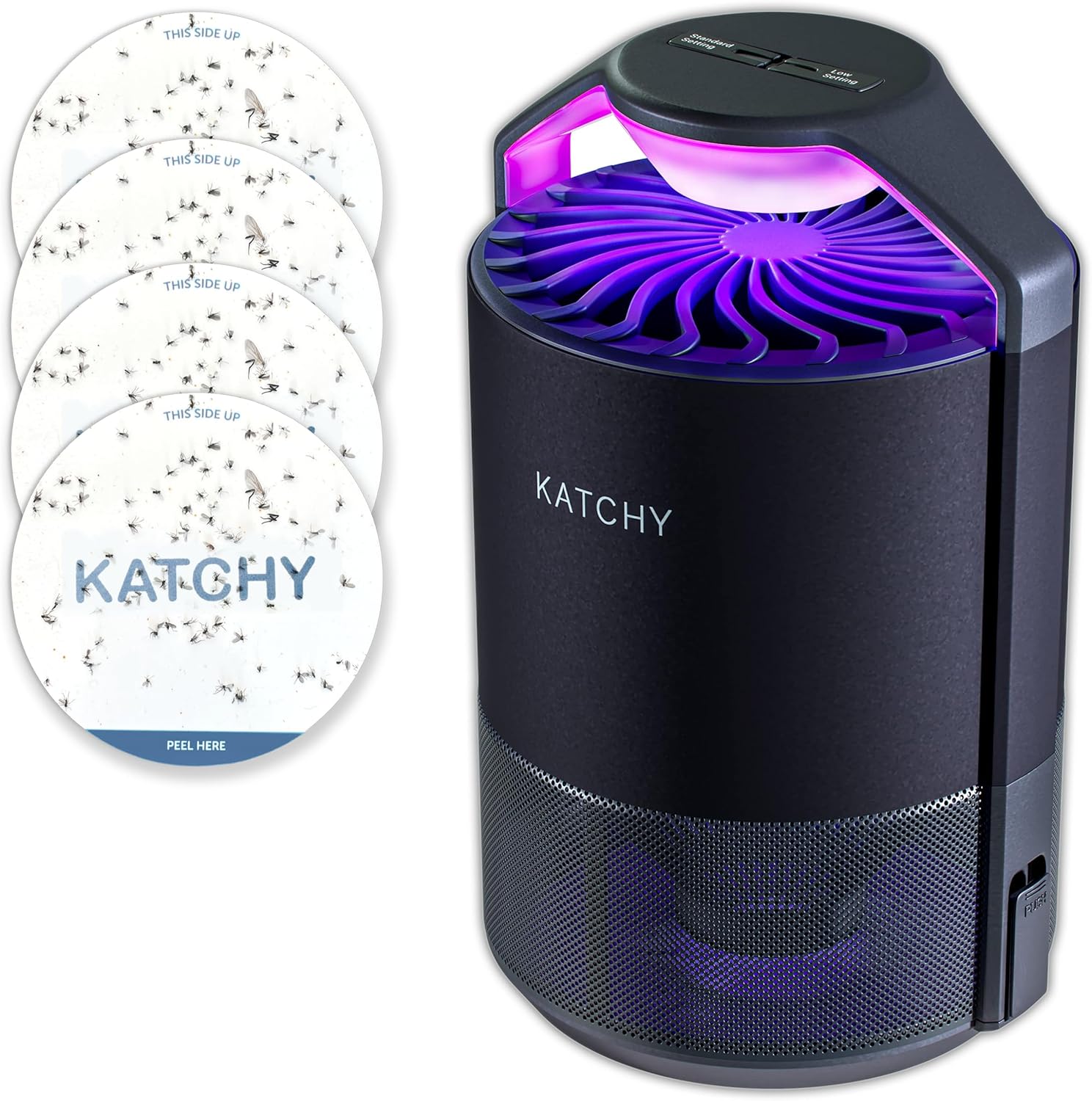
Fruit flies are a common nuisance in many homes, particularly during the warmer months. These tiny insects seem to appear out of nowhere, hovering around your kitchen and causing frustration. Thankfully, there’s an effective solution: fruit fly traps for indoors. This guide will walk you through everything you need to know about these traps, how they work, and why they are an essential tool for keeping your home fruit fly-free.
Understanding Fruit Flies and Their Behavior
What Are Fruit Flies?
Fruit flies, scientifically known as Drosophila melanogaster, are small insects that are attracted to fermenting fruits and vegetables. They are notorious for their rapid reproduction, with a single female capable of laying hundreds of eggs within a week. This means that what starts as a minor inconvenience can quickly escalate into a full-blown infestation if not addressed promptly.
Why Are They Attracted to Your Home?
Fruit flies are drawn to ripened or decaying fruits and vegetables, but they can also be found near drains, trash cans, and other sources of organic material. The fermentation process produces ethanol, which attracts these pests. Once inside your home, fruit flies can be difficult to eliminate due to their fast breeding cycle.
Why Use Fruit Fly Traps?
1. Effective Pest Control
Fruit fly traps are specifically designed to target and capture fruit flies, helping to break the cycle of reproduction and reduce the population in your home. Unlike traditional insect sprays, which may not be effective against flying insects, these traps work continuously to lure and trap fruit flies.
2. Safe for Indoor Use
One of the biggest advantages of using fruit fly traps is that they are safe for indoor use. Many traps are non-toxic and free from harsh chemicals, making them a safer option for households with children and pets. This is especially important in kitchens and dining areas where food is prepared and consumed.
3. Easy to Use
Most fruit fly traps are incredibly easy to set up and use. They often require minimal maintenance, allowing you to focus on other tasks while the trap works its magic. Simply place the trap in an area where fruit flies are present, and let it do the rest.
How Do Fruit Fly Traps Work?
1. Luring the Flies
Fruit fly traps typically use an attractant that mimics the scent of fermenting fruit. This can be in the form of a liquid bait, a sticky substance, or even a UV light. The attractant draws the fruit flies into the trap, where they become stuck or are otherwise unable to escape.
2. Capturing the Flies
Once inside the trap, fruit flies are either captured on a sticky surface or drown in the liquid bait. Some traps use a funnel-like design, preventing the flies from finding their way out. Over time, the number of fruit flies in your home decreases as the traps capture more and more of them.
3. Disposal
Disposing of the trap is usually straightforward. Some traps are disposable and can be thrown away once they are full, while others can be emptied and reused. Always follow the manufacturer’s instructions for proper disposal and replacement.
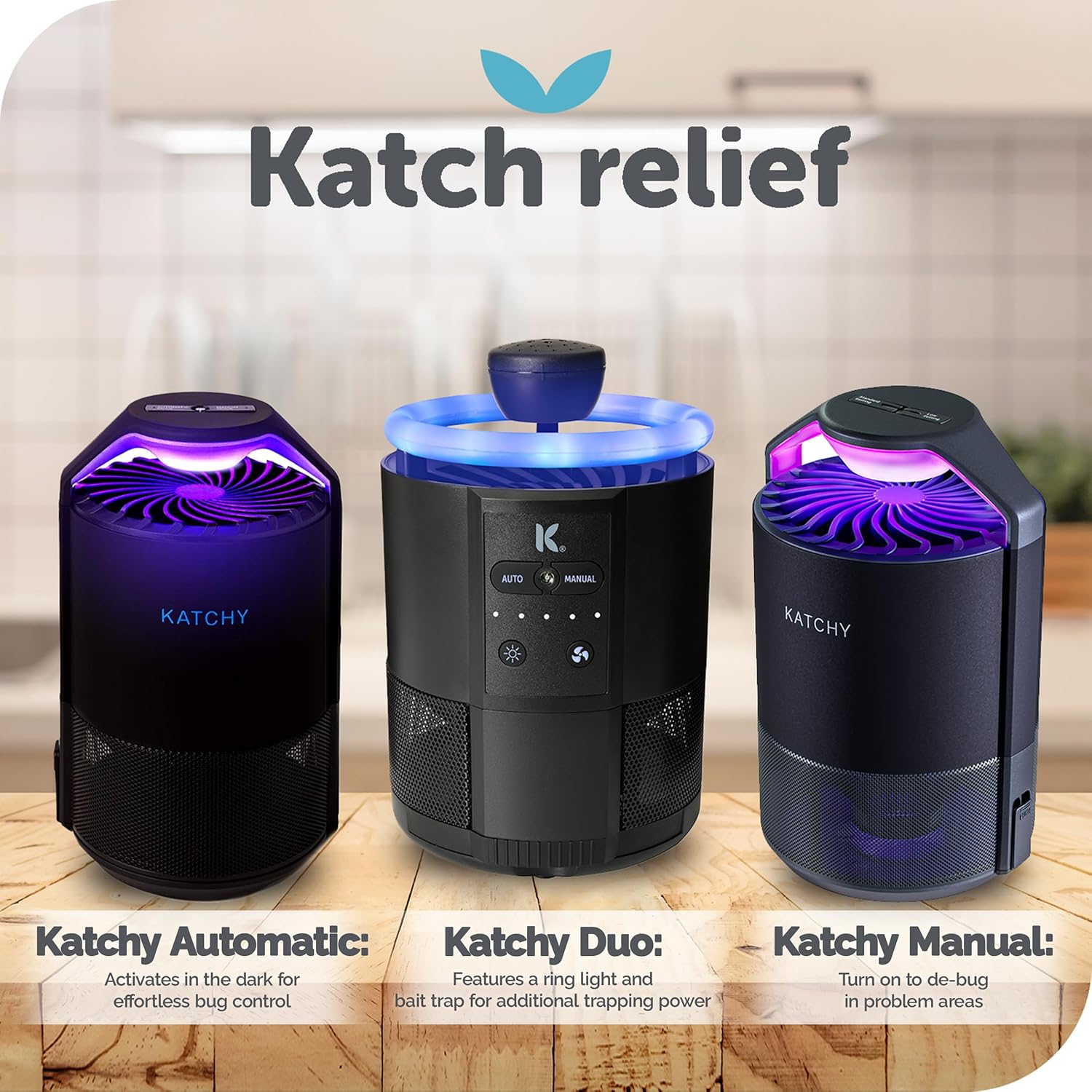
Top Features to Look for in Fruit Fly Traps
1. Non-Toxic Materials
Look for traps that use non-toxic materials, especially if you plan to use them in the kitchen or around children and pets. Many fruit fly traps are designed to be safe for indoor use, utilizing natural or food-grade attractants.
2. Reusability
Consider whether you want a disposable or reusable trap. Reusable traps can be more cost-effective in the long run, as they can be cleaned and refilled with fresh attractant. Disposable traps offer convenience but may need to be replaced frequently.
3. Effectiveness
Not all fruit fly traps are created equal. Look for traps that have a proven track record of effectiveness, with positive customer reviews and ratings. Some traps are specifically designed for fruit flies, while others may target a broader range of flying insects.
4. Ease of Use
Choose a trap that is easy to set up and maintain. The best traps require minimal effort to operate and can be placed in strategic locations without much fuss. Additionally, the trap should be easy to dispose of or clean when it is full.
How to Set Up and Use Fruit Fly Traps
1. Identify Problem Areas
The first step in using fruit fly traps is to identify the areas in your home where fruit flies are most active. This is usually near sources of food, such as kitchen countertops, fruit bowls, trash cans, and drains. Place the traps in these areas to maximize their effectiveness.
2. Prepare the Trap
Follow the instructions provided by the manufacturer to prepare the trap. This may involve adding a liquid bait, peeling off a protective cover, or plugging in a device. Ensure that the trap is properly set up before placing it in the desired location.
3. Monitor the Trap
Check the trap regularly to see how many fruit flies it has captured. Depending on the severity of the infestation, you may need to replace or clean the trap periodically. Monitoring the trap also helps you gauge the effectiveness of the product.
4. Maintain a Clean Environment
While fruit fly traps are effective, they work best when combined with good hygiene practices. Keep your kitchen clean, store fruits and vegetables properly, and dispose of food waste promptly. Reducing the availability of food sources will make the traps even more effective.
Conclusion
Fruit flies can be a persistent and frustrating problem, but with the right tools, you can keep your home free from these pesky pests. Fruit fly traps for indoors offer an effective, safe, and easy-to-use solution for controlling fruit fly infestations. By understanding how these traps work and selecting the right one for your needs, you can enjoy a pest-free home once again.


Comments
Post a Comment